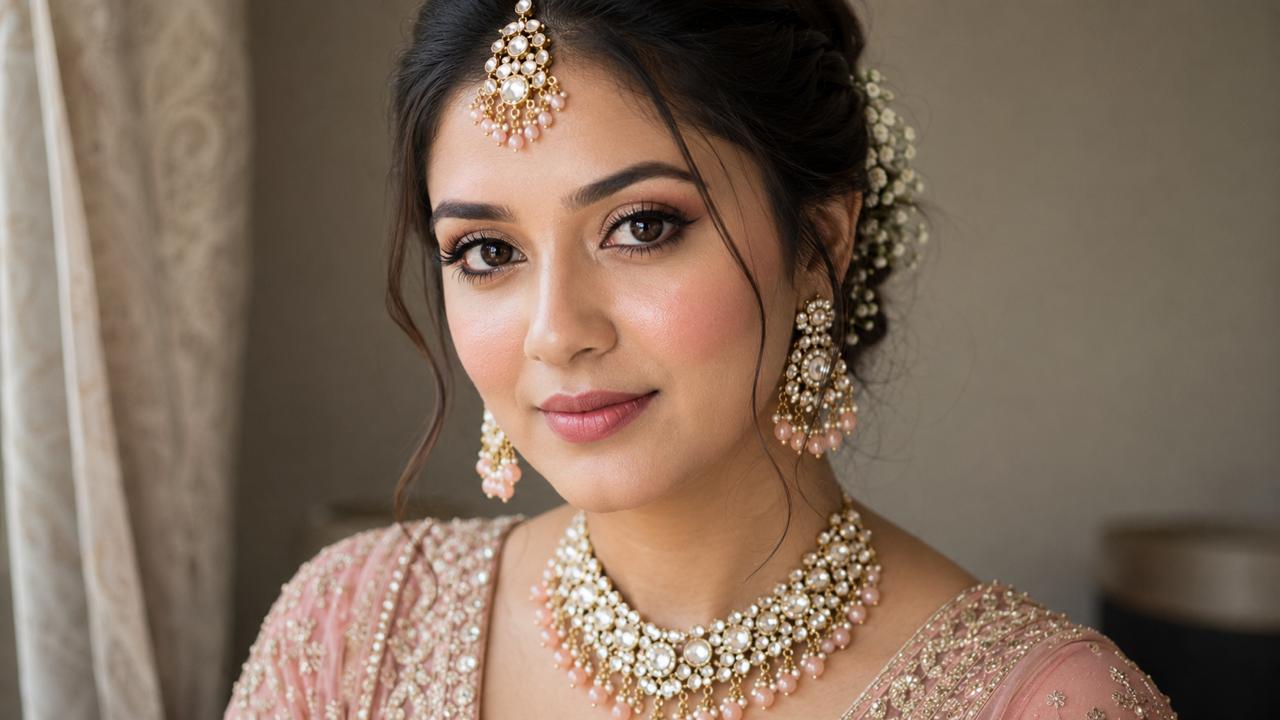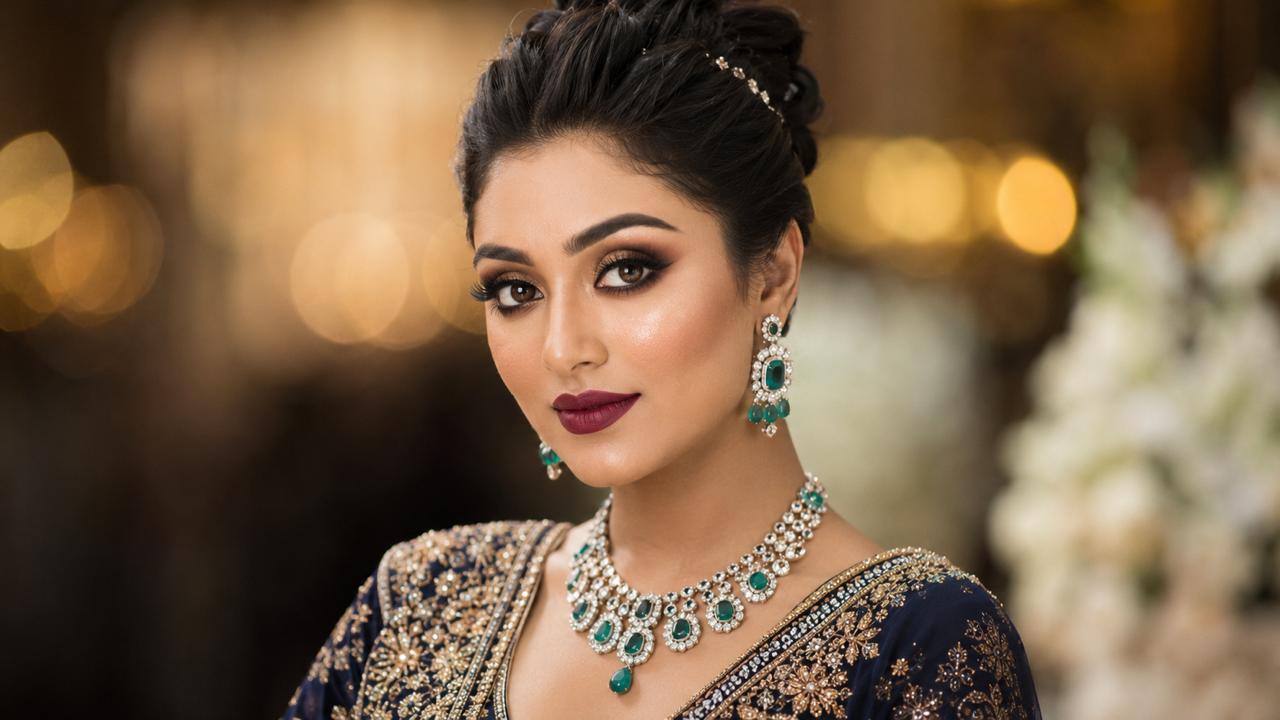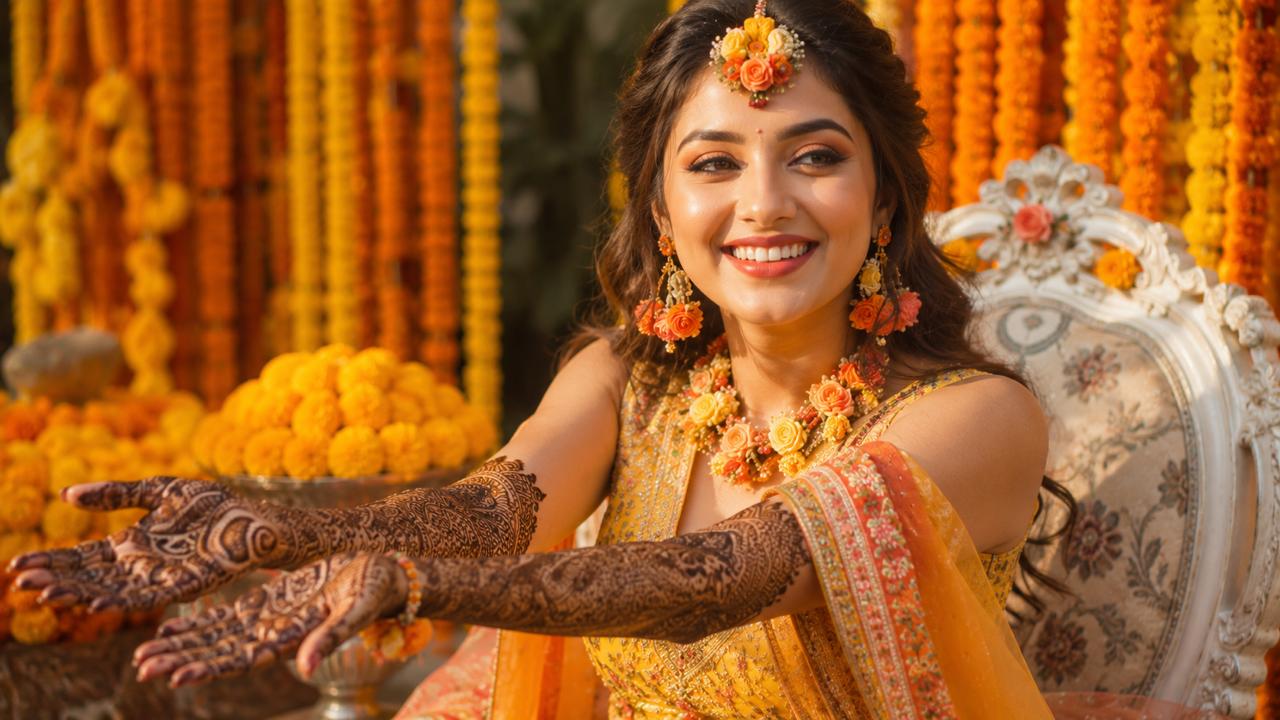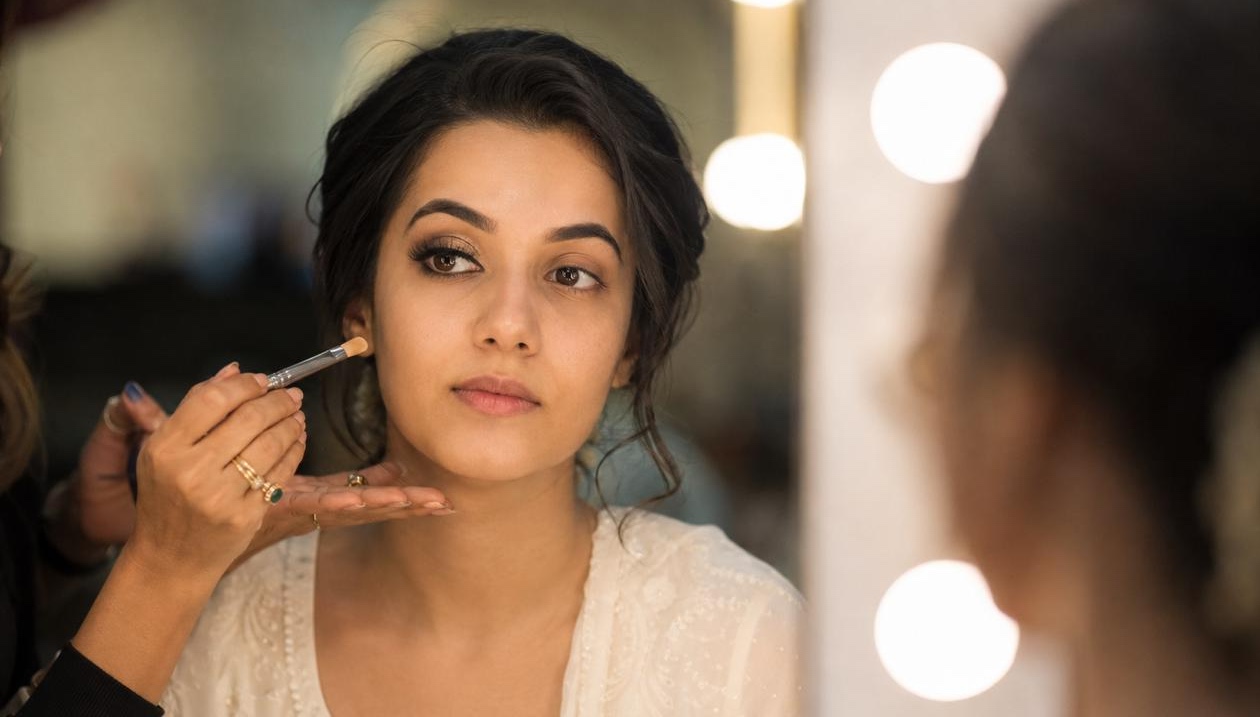
Most brides skip the trial and regret it on their wedding day. Here's exactly what a bridal makeup trial involves, what questions to ask, what to bring and how to use it to guarantee you love your look on the big day.
The bridal makeup trial is the most skipped and most regretted part of wedding planning in India. Brides spend months deciding on the lehenga, the venue, the caterer and the jewellery — and then meet their makeup artist for the first time on the morning of the wedding. This is a gamble that does not always pay off.
This guide covers everything you need to know about the bridal makeup trial — what it includes, when to book it, what to bring, what questions to ask and how to use it to make sure you look exactly the way you want on your wedding day.
What Is a Bridal Makeup Trial?
A bridal makeup trial is a full makeup session done 4–6 weeks before your wedding day, where your artist creates the complete bridal look on you — exactly as it will be done on the wedding day. It is not a consultation, not a discussion and not a quick face test. It is the full look, from base to lips to hair.
The trial serves several purposes simultaneously. It allows the artist to test products on your skin, identify how your skin reacts, determine the correct foundation shade and undertone, test how the look holds over several hours, and make adjustments based on your feedback before the actual wedding day — when there is no time for adjustments.
Why the Trial Is Not Optional
Every bride believes she has a sense of what she wants. Reference photos help, Pinterest boards help, but nothing replaces seeing the actual look on your actual face in your actual skin tone under real conditions.
Without a trial you cannot know:
- Whether the foundation shade is genuinely correct or slightly off
- Whether your skin reacts to any products with redness or breakouts
- Whether the eye look works with your eye shape and brow structure
- Whether the lip colour suits your skin tone in photographs
- How the look photographs under flash and different lighting
- Whether the makeup holds through a full day of ceremonies
- Whether you and the artist communicate well under time pressure
Finding out any of these things for the first time on your wedding morning is a risk that a trial eliminates entirely.
When Should You Book the Trial?
The ideal window for a bridal makeup trial is 4–6 weeks before the wedding date. This timing is deliberate:
- Far enough from the wedding that if any adjustments are needed — a different foundation shade, a change in the eye look, a different lip colour — there is time to communicate and prepare
- Close enough to the wedding that your skin condition is similar to what it will be on the wedding day
- Time to complete pre-bridal skincare — most brides are doing facials and cleanups in this period, and the trial gives a realistic picture of what the skin looks like after that prep
Do not book the trial too far in advance — 3–4 months before the wedding means your skin may change significantly before the actual day. And do not book it too close — less than 2 weeks before gives no time to adjust anything.
What to Bring to Your Bridal Makeup Trial
Come prepared. The more information you bring, the more useful the trial becomes.
- Reference photos — at least 3–5 images of bridal makeup looks you love. Be specific — "I like this eye but that lip" is far more useful than a vague description.
- Your bridal dupatta or lehenga fabric swatch — the colour of your outfit directly affects foundation shade, blush and lip colour decisions. Bring a swatch or wear the actual outfit if possible.
- Your jewellery or photographs of it — heavy gold jewellery changes the balance of the look versus minimal polki versus silver.
- Your own skincare products if you have sensitive skin — if you react to certain ingredients, bring a list or bring your regular products.
- A camera or phone for photos — photograph the finished look in different lighting. Natural light, flash, indoor light. This is how you actually evaluate what will happen in photographs.
What Happens During the Trial — Step by Step
A professional bridal makeup trial typically runs 2.5–3.5 hours. Here is what should happen:
Skin consultation (10–15 minutes) — your artist should ask about your skin type, any allergies or sensitivities, products you currently use, recent facials or treatments, and any skin concerns like acne, hyperpigmentation or dryness.
Skin prep (15–20 minutes) — cleansing, moisturising, primer application. This is not skippable — the base determines how everything sits on top.
Base application (30–40 minutes) — foundation, concealer, colour correction if needed, setting. The artist builds the base in layers and checks the shade in different lighting.
Eye makeup (30–40 minutes) — full eye look including eyeshadow, liner, lashes. This is usually the most time-consuming part and the most important to get right during the trial.
Contouring, highlighting, blush (15–20 minutes) — face sculpting and colour placement.
Lips (10 minutes) — liner, lipstick, gloss if required. Try at least two lip colour options at the trial if you are undecided.
Hair styling (30–45 minutes) — if hair is included in your package, a trial hairstyle is done as well.
Review and photography (15 minutes) — you and the artist review the complete look. Photograph it in different lighting. Discuss anything you want changed.
Questions to Ask During the Trial
Use the trial to get clear answers to the following:
- What foundation shade and brand are you using on me?
- Is this formula waterproof or sweat-resistant?
- What setting products are you using — will they cause flashback in photos?
- How long will the base last without a touch-up?
- What products should I use for touch-ups during the day?
- What time will you arrive on the wedding morning and how long will the full look take?
- What is your cancellation and backup policy?
A professional artist answers every one of these without hesitation. Vague answers or defensiveness about product choices are warning signs.
What to Do After the Trial
After the trial session, do not wash the makeup off immediately. Wear it for the rest of the day — ideally 6–8 hours. Check:
- Does the foundation oxidise (turn darker or more orange) after 2–3 hours?
- Does the under-eye concealer crease?
- Does the lipstick bleed or fade unevenly?
- Does the eye makeup smudge or transfer?
- Does your skin feel comfortable or heavy and congested?
- Do you get any redness or reaction?
Document everything with photos at the 2-hour and 6-hour marks. Bring these photos to the wedding day briefing or share them with your artist. This is the most useful information you can give them for the actual wedding.
Half-Face Trial vs Full Trial — Which Is Better?
Some artists offer a half-face trial at a lower cost, where only one side of the face is fully made up. This is useful for checking technique and product choices, but it does not give you the complete picture of how the full look will appear — balance, symmetry, how the eye look and lip colour work together.
For a bridal trial, always insist on a full trial. The cost difference is small compared to what is at stake. A half-face trial is better suited for engagement or reception looks where the stakes are lower.
Book Your Bridal Trial in Delhi NCR
Ritika Verma offers full bridal makeup trials for brides across Ghaziabad, Delhi, Noida, Gurgaon, Faridabad and Greater Noida. Every bridal booking includes a mandatory trial session — because a wedding day is not the place to test anything for the first time.
Bridal packages from ₹25,000. Trial sessions available on weekdays and select weekends.
Planning your wedding in Delhi NCR?
Ritika Verma is a professional bridal makeup artist based in Ghaziabad, serving all of Delhi NCR — HD & airbrush specialist, bridal from ₹25,000. Book in your city:
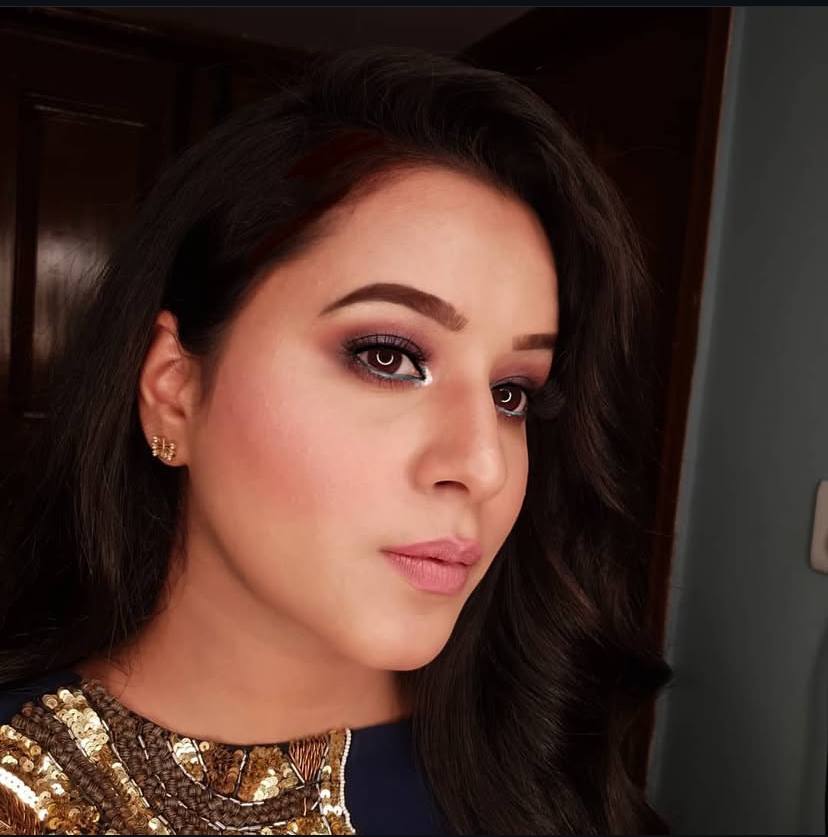
Certified makeup artist with 8+ years of experience since 2016. Trained under Atul Chauhan and with Bobbi Brown Cosmetics. Over 500 bridal bookings and 50+ destination weddings completed across India. Full profile →